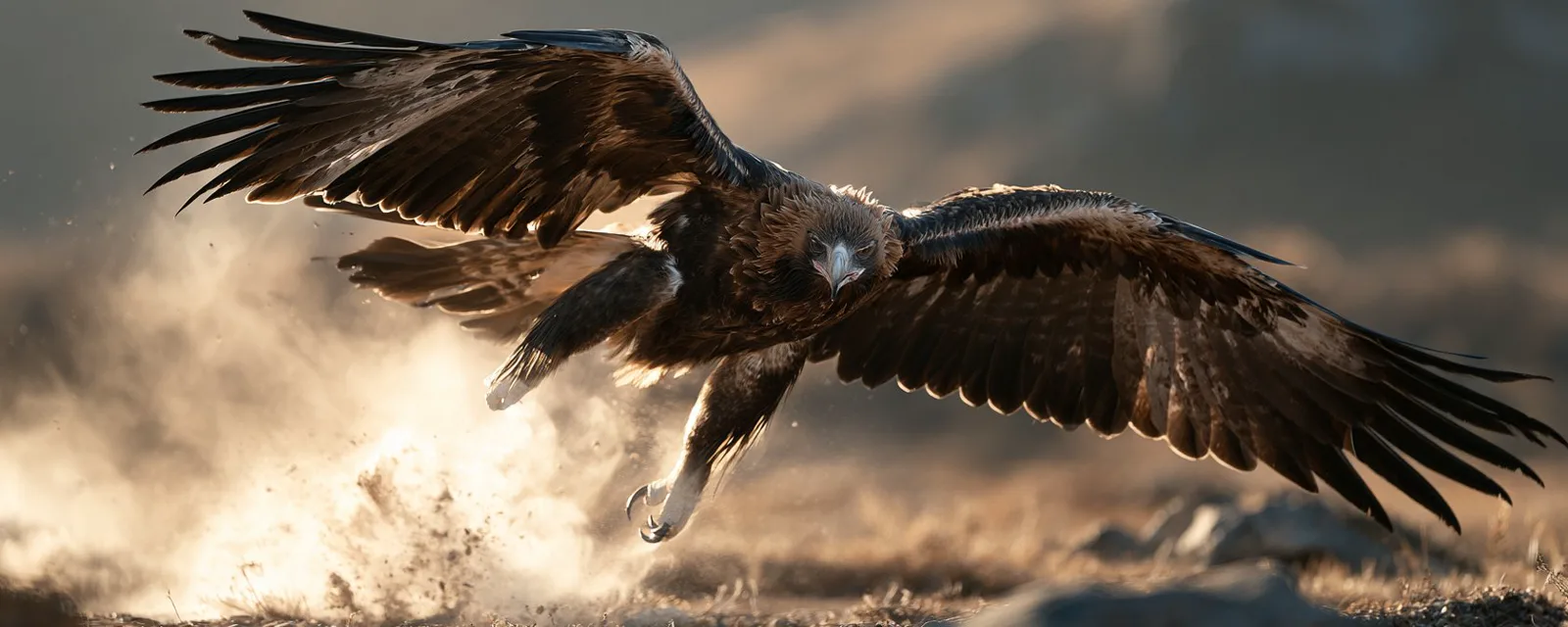
Walla-Warr—that is what the local Aboriginal elders called her—was a particularly large wedge-tailed eagle. Wedge-tailed eagles are among the world’s largest raptors, and this bird boasted a wingspan of more than nine feet. Highly aerial, she could soar for hours, reaching six thousand feet or higher. Her keen eyesight extended into the infrared and ultraviolet bands, helping her spot prey and see the rising thermals she used to gain altitude without so much as a flap of her massive wings.
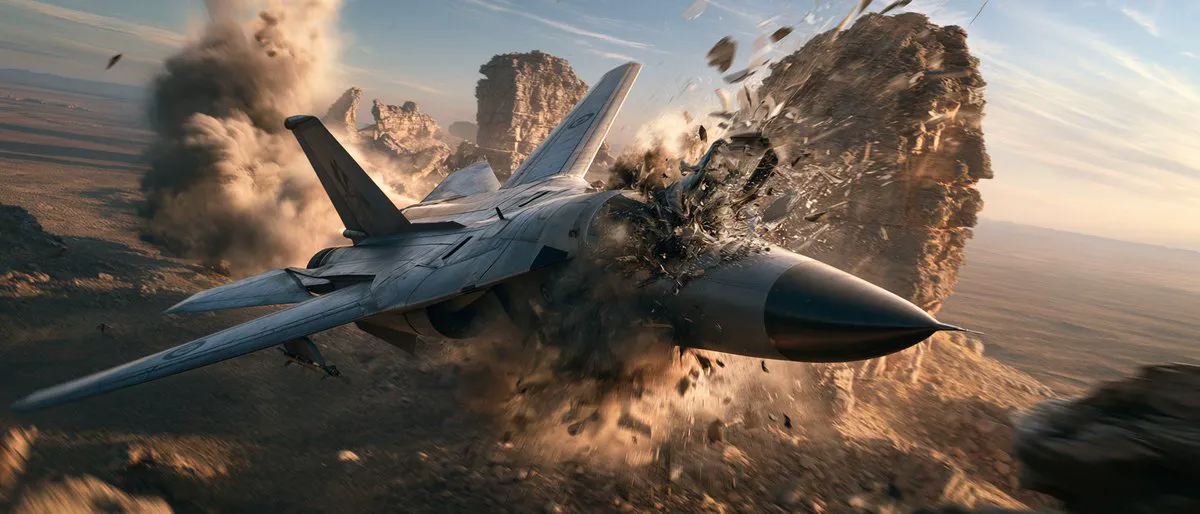
At 1301 hours on Tuesday afternoon, she was killed by an F-111 flying at more than six hundred knots, just two hundred feet above the ground. Flying through craggy rock gorges within the Delamere Air Weapons Range, the F-111 had just switched to manual flight. On impact, the windscreen canopy crashed in, severing the head-up display and spraying chunks of inner laminate into the right-hand seat. The man sitting there was killed instantly.
The F-111 was airframe A8-272 and had just been officially retired. When the accident happened, the pilot in command instinctively pulled back on the stick and retarded the throttles, his gut telling him they had suffered a bird strike. The jet seemed to be flying, but his forward visibility was zero and his head was pinned to the backrest.
As the aircraft slowed and the wind blast dissipated, he pushed the “trombone” to sweep the wings forward. Only then did he check his companion. His worst fear was realised: his mate was gone, replaced by a bloody mass of windscreen, bird and person. He snapped his eyes back to the front and called the emergency to air traffic control, wiping blood from his visor.
RAAF Flight Lieutenant Lance Shepard could not remember the flight back. He landed at Tindal without further incident and stopped in the centre of the runway, surrounded by emergency vehicles. The response crews climbed onto the wings to a sight most would never forget.
Squadron Leader Richard “Havoc” Alston, in the right-hand seat, was obviously dead. Shepard, on the left, was covered in blood but alive. He flicked open his smeared visor, staring straight ahead. They helped him from the cockpit. During the entire process he never said a word. Neither did anyone else. An eerie silence settled over the rescue.
The rescue crew watched the ambulance leave. Everyone knew Havoc and Shotgun. This was Havoc’s home; many knew his children. For a few moments, nobody turned around. But the F-111—and their friend still strapped into the right-hand seat—would not disappear like a bad dream. One by one they began to move, the grim task ahead challenging every sense.
You will not find this in the record books. If you think A8-272 really was retired, or that this would be Shepard’s most frightening moment, that would be a mistake. This was only the beginning.
Over the next few years, the F-111 fleet would retire. Super Hornets would fill the capability gap, and eventually the F-35 would arrive in force.
Meanwhile, only a few light-years away, the relic radiation traversed the endless expanse and passed into the outer spiral arm of the Milky Way. Life went on. Elsewhere on Earth, the chaos of human endeavour continued—every event leading to the next and dependent on the one before.
Tragedy often arrives with friends.
Lance may have escaped with his life, but more pain was on the way.